Barton MacLane lulus dari Universitas Wesleyan, di mana dia menunjukkan bakatnya yang menonjol dalam olahraga, khususnya sepak bola dan bola basket. Tidak mengherankan, kehebatan fisiknya membawanya pada peran awal dalam The Quarterback (1926) bersama Richard Dix. MacLane pernah berkomentar bahwa, sebagai seorang aktor, dia perlu memiliki kekuatan fisik untuk mencabik-cabik orang jahat "dari satu anggota ke anggota lainnya", jika perlu. Ironisnya, biasanya Barton sendirilah yang ditakdirkan untu...
Barton MacLane lulus dari Universitas Wesleyan, di mana dia menunjukkan bakatnya yang menonjol dalam olahraga, khususnya sepak bola dan bola basket. Tidak mengherankan, kehebatan fisiknya membawanya pada peran awal dalam The Quarterback (1926) bersama Richard Dix. MacLane pernah berkomentar bahwa, sebagai seorang aktor, dia perlu memiliki kekuatan fisik untuk mencabik-cabik orang jahat "dari satu anggota ke anggota lainnya", jika perlu. Ironisnya, biasanya Barton sendirilah yang ditakdirkan untuk berada di ujung persembunyian (saat tidak tertembak), biasanya sebagai antek yang menggeram, penjahat, dan berbagai macam tipe yang meragukan atau kasar lainnya sepanjang sebagian besar karir aktingnya selama 40 tahun. Faktanya, Barton menjadi begitu typecast sehingga namanya untuk sementara waktu digunakan dalam pepatah, untuk menggambarkan seorang bajingan yang suka berteriak dan keras kepala.
Setelah pelatihan di American Academy of Dramatic Arts, MacLane bergabung dengan sebuah perusahaan saham di Brooklyn. Pada tahun 1927 ia mendapatkan bagian pertamanya di Broadway, sesaat sebagai asisten jaksa wilayah, dalam melodrama "The Trial of Mary Dugan". Dia kemudian memainkan peran kecil sebagai petugas polisi dalam "Subway Express" (1929-30), sebuah drama yang diperankan di dalam gerbong kereta bawah tanah. Pada pertengahan tahun 1932 MacLane mencoba menulis sendiri kendaraan yang dibintanginya untuk panggung yang diberi judul "Rendezvous". Meskipun drama tersebut ditutup setelah hanya 21 pertunjukan, hal itu menghasilkan kontrak dengan Warner Brothers.
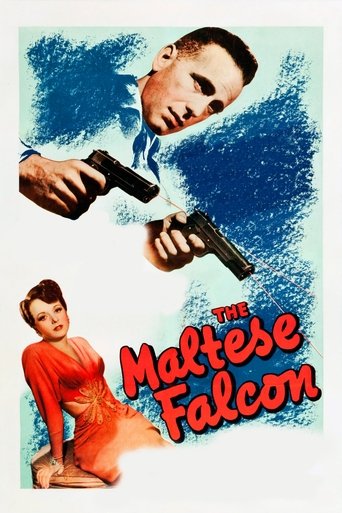
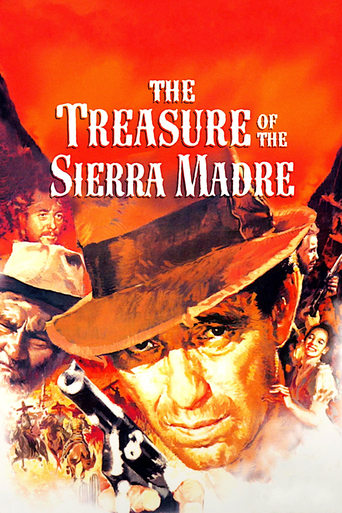
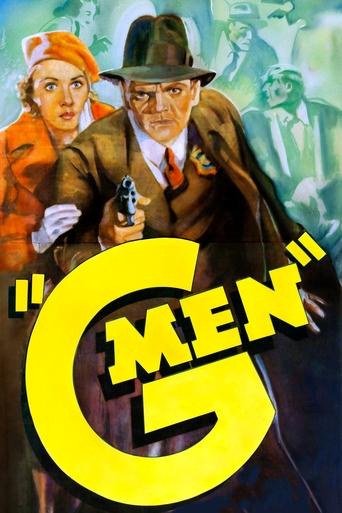
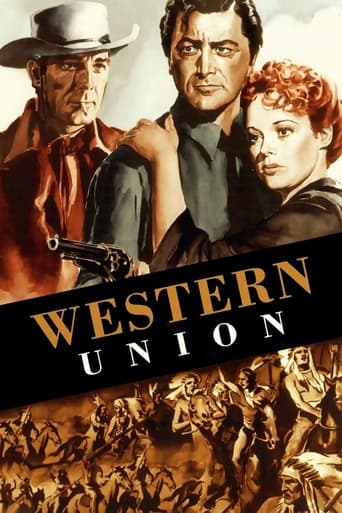
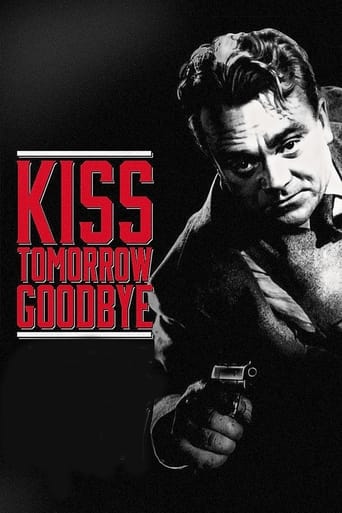
Barton telah muncul dalam peran kecil untuk Paramount di Astoria Studios mereka, termasuk film debut The Marx Brothers, The Cocoanuts (1929). Dia memerankan mafia Brad Collins di 'G' Men (1935) (bersama James Cagney), yang menentukan arah sebagian besar tugasnya di masa depan. Berotot, dengan mata sipit dan suara serak, MacLane adalah pria tangguh dan bermuka masam yang ideal, sangat cocok untuk film barat dan jenis film noir yang diunggulkan Warner Brothers. Dia sering berperan sebagai polisi, baik yang bungkuk maupun jujur. Beberapa penampilannya yang paling representatif termasuk gangster Al Kruger dalam Bullets or Ballots (1936), yang memberinya beberapa penghargaan kritis terbaik dalam karirnya; penjahat Jack Slade di Western Union (1941); bos konstruksi yang bengkok, Pat McCormick, yang dipukuli oleh Humphrey Bogart dan Tim Holt karena gaji yang lewat jatuh tempo di The Treasure of the Sierra Madre (1948); polisi keras kepala Detektif Dundy di The Maltese Falcon (1941) dan Lt. Reece di Kiss Tomorrow Goodbye (1950). MacLane, yang dipinjamkan ke Universal, juga berperan utama dalam Prison Break (1938) sebagai seorang nelayan tuna tak bersalah yang dijebak atas pembunuhan. Dia menonjol sebagai polisi yang tangguh namun simpatik, menggagalkan reporter gadis detektif Glenda Farrell dalam serial "Torchy Blaine" pada pertengahan hingga akhir tahun 1930-an. Pada tahun 1960-an Barton mulai memupuk citra orang baik sebagai Marsekal Frank Caine dalam serial barat NBC Outlaws (1960) serta muncul dalam peran kecil yang berulang sebagai Jenderal Angkatan Udara Martin Peterson dalam I Dream of Jeannie (1965).
Barton menikah dengan aktris Charlotte Wynters, yang tampil bersamanya di enam filmnya. Saat tidak berada di lokasi syuting, pasangan ini menghabiskan waktu di peternakan sapi seluas 2.000 hektar di Madera County, California.
Untuk karyanya di televisi, Barton mendapat bintang di Hollywood Walk of Fame.
Barton MacLane graduated from Wesleyan University, where he displayed a notable aptitude for sports, in particular football and basketball. Not surprisingly, his physical prowess led to an early role in The Quarterback (1926) with Richard Dix. MacLane once commented that, as an actor, he needed to have the physical strength to tear the bad guys "from limb to limb", if necessary. Ironically, it was usually Barton himself who was destined to be at the end of a hiding (when not getting shot, instead), typically as snarling henchmen, outlaws and other assorted dubious or abrasive types throughout most of his 40-year acting career. In fact, Barton became so typecast that his name was for a time used proverbially, to generally describe a shouting, hard-nosed ruffian.
After training at the American Academy of Dramatic Arts, MacLane joined a stock company in Brooklyn. In 1927 he had his first part on Broadway, a brief moment as an assistant district attorney, in the melodrama "The Trial of Mary Dugan". He then played a small featured role as a police officer in "Subway Express" (1929-30), a drama enacted in the interior of a subway car. In mid-1932 MacLane tried his hand at writing his own starring vehicle for the stage, entitled "Rendezvous". While the play closed after just 21 performances, it led to a contract with Warner Brothers.
Barton had already appeared in bit roles for Paramount at their Astoria Studios, including The Marx Brothers' debut film The Cocoanuts (1929). He portrayed mobster Brad Collins in 'G' Men (1935) (with James Cagney), which set the tone for most of his future assignments. Brawny, with squinty eyes and a rasping voice, MacLane was the ideal surly tough guy, particularly suitable for westerns and the type of films noir Warner Brothers excelled at. He was often cast as cops, be they bent or honest. Some of his most representative performances include gangster Al Kruger in Bullets or Ballots (1936), which won him some of the best critical notices of his career; outlaw Jack Slade in Western Union (1941); crooked construction boss Pat McCormick, who gets beaten up by Humphrey Bogart and Tim Holt over past-due wages in The Treasure of the Sierra Madre (1948); hard-nosed cops Detective Dundy in The Maltese Falcon (1941) and Lt. Reece in Kiss Tomorrow Goodbye (1950). MacLane, on loan to Universal, also had a starring role in Prison Break (1938) as an innocent tuna fisherman who is framed for murder. He was prominent as a tough but sympathetic cop, foil to sleuthing girl reporter Glenda Farrell in the "Torchy Blaine" series of the mid- to late 1930s. In the 1960s Barton began to cultivate a good-guy image as Marshal Frank Caine in the NBC western series Outlaws (1960) as well as showing up in a small recurring role as Air Force Gen. Martin Peterson in I Dream of Jeannie (1965).
Barton was married to the actress Charlotte Wynters, who appeared with him in six of his films. When not on the set, the couple spent time on their 2000-acre cattle ranch in Madera County, California.
For his work in television, Barton has a star on the Hollywood Walk of Fame.













 TV
 TV
 TV
 TV
 TV
 TV
 TV
 TV
 TV
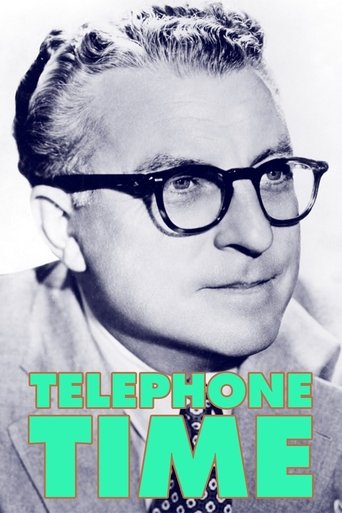 TV
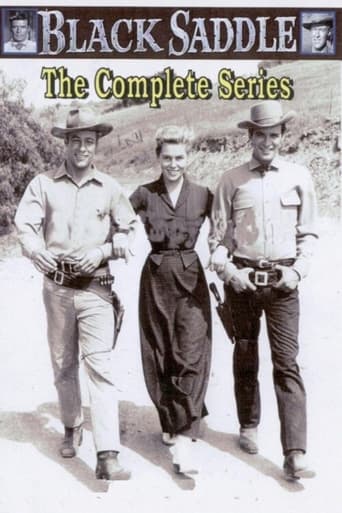 TV
 TV
 TV
 TV
 TV
 TV
 TV
 TV
 TV
 TV
