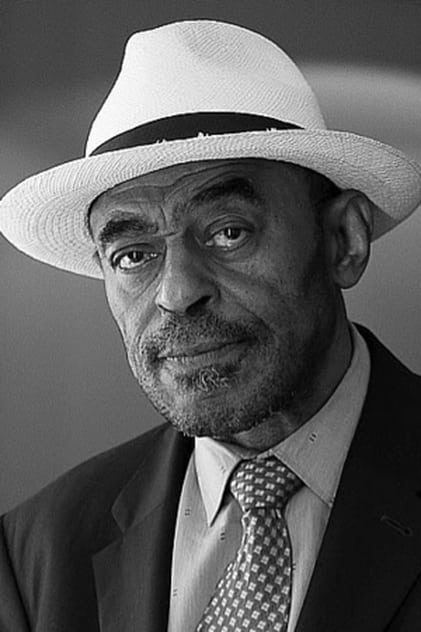
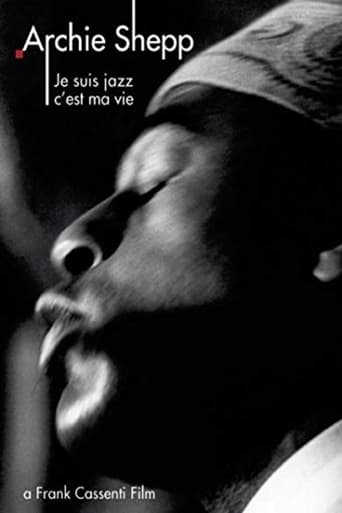
Archie Shepp lahir pada tahun 1937 di Fort Lauderdale, Florida. Dia berusia 7 tahun ketika keluarganya pindah ke Philadelphia, di lingkungan kulit hitam "Brick Yard".
Dia mulai bermain banjo dengan ayahnya, kemudian dia belajar piano dan saksofon sekaligus menyelesaikan studi menengahnya di Germantown College. Dia masuk universitas, masuk ke teater, sering mengunjungi novelis dan penyair seperti Leroy Jones, dan menulis drama pertamanya "The Communist", sebuah alegori tentang situasi orang kuli...
Archie Shepp lahir pada tahun 1937 di Fort Lauderdale, Florida. Dia berusia 7 tahun ketika keluarganya pindah ke Philadelphia, di lingkungan kulit hitam "Brick Yard".
Dia mulai bermain banjo dengan ayahnya, kemudian dia belajar piano dan saksofon sekaligus menyelesaikan studi menengahnya di Germantown College. Dia masuk universitas, masuk ke teater, sering mengunjungi novelis dan penyair seperti Leroy Jones, dan menulis drama pertamanya "The Communist", sebuah alegori tentang situasi orang kulit hitam Amerika. Di penghujung tahun 50-an, Archie Shepp bertemu dengan musisi paling radikal saat itu: Lee Morgan, Bobby Timmons, Jimmy Garrisson, Ted Curson, Beaver Harris... Selama periode ini, hati nurani politiknya terungkap dalam drama dan produksi teater yang hanya memungkinkannya untuk bertahan hidup.
Pada awal tahun 60an dia bertemu Cécil Taylor dan membuat dua rekaman bersamanya yang akan menjadi penentu. Pada tahun 1962, dia menandatangani album pertamanya sebagai co-leader dengan Bill Dixon. Tahun berikutnya, ia mendirikan New York Contemporary Five bersama John Tchicaï, merekam empat album untuk label Fontana, Storyville dan Savoy dan menemukan Eropa dengan grup yang sama.
Sejak Agustus 1964, dia bekerja dengan Impulse: 17 album direkam termasuk Four for Trane, Fire Music, Mama too Tight, yang termasuk di antara musik klasik Musik gratis. Kolaborasinya dengan John Coltrane terbentuk di Ascension pada tahun 1965 dan menandai titik balik dalam musik avant-garde. Partisipasinya dalam pembentukan Composers Guild bersama Paul dan Carla Bley, Sun RA, Roswell Rudd, Cecil Taylor, mencerminkan komitmen militannya.
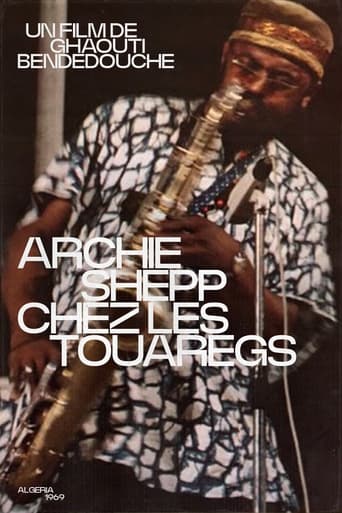
Pada bulan Juli 1969, ia pergi ke Afrika untuk pertama kalinya ke Festival Pan-Afrika di Algiers, sebuah kota yang merupakan rumah bagi banyak penentang kulit hitam Amerika pada saat itu. Pada kesempatan ini, dia merekam live untuk label Byg, album pertama dari enam album seri Actuel dan dia bermain di atas panggung bersama grup Tuareg. Sejak saat itu, Archie Shepp akan melipatgandakan pertemuan musik "dunia" dengan Gwoka dari Guadeloupe, Hongaria (CD bebop Hongaria dengan Mihaly Dresch) dan banyak lainnya.
Sejak tahun 1969, dia mengajar etnomusikologi di Universitas Amherst, Massachusetts); dia terus tampil di seluruh dunia, menegaskan identitasnya sebagai musisi Afrika-Amerika.
Francis Marmande menulis tentang dia di Dictionnaire du Jazz (diterbitkan oleh Robert Laffont): "Seorang kepribadian artistik dan intelektual tingkat tertinggi, Archie Shepp, seorang musisi terkemuka avant-garde bebas, mampu bergabung, tanpa meninggalkan esensi estetika ini, "jalan kerajaan" seni jazz. Dengan memperdalam semangat dan isi dari dua sisi lagu yang berasal dari musik Negro-Amerika: blues dan spiritual. Yang tidak pernah ia hentikan, melalui karya klasik atau digubah olehnya (Black Water Blues oleh Bessie Smith atau Mama Rose, dll.) untuk menghidupkan kembali kekuatan keanehan dalam menghadapi musik Eropa, dalam perpaduan unik antara kekerasan yang terluka dan nostalgia kuno.
Dalam beberapa tahun terakhir, Archie Shepp melipatgandakan pertemuan yang berani tanpa pernah takut mengambil risiko.
Archie Shepp was born in 1937 in Fort Lauderdale, Florida. He was 7 years old when his family moved to Philadelphia, in the black neighborhood of "Brick Yard".
He started playing the banjo with his father, then he studied piano and saxophone at the same time as he did his secondary studies at Germantown College. He entered university, got into theatre, frequented novelists and poets like Leroy Jones, and wrote his first play "The Communist", an allegory on the situation of black Americans. At the end of the 50s, Archie Shepp met the most radical musicians of the time: Lee Morgan, Bobby Timmons, Jimmy Garrisson, Ted Curson, Beaver Harris... During this period, his political conscience found expression in plays and theatrical productions that only allowed him to survive.
It was at the beginning of the 60s that he met Cécil Taylor and made two recordings with him that would be decisive. In 1962, he signed his first album as co-leader with Bill Dixon. The following year, he founded the New York Contemporary Five with John Tchicaï, recorded four albums for the Fontana, Storyville and Savoy labels and discovered Europe with the same group.
From August 1964, he worked with Impulse: 17 albums were recorded including Four for Trane, Fire Music, Mama too Tight, which are among the classics of Free music. His collaboration with John Coltrane took shape in Ascension in 1965 and marked a turning point in avant-garde music. His participation in the creation of the Composers Guild with Paul and Carla Bley, Sun RA, Roswell Rudd, Cecil Taylor, reflects his militant commitment.
In July 1969, he went to Africa for the first time to the Pan-African Festival in Algiers, a city that was home to many black American opponents at the time. On this occasion, he recorded live for the Byg label, the first of six albums in the Actuel series and he played on stage with a group of Tuaregs. From then on, Archie Shepp would multiply the musical encounters "world" with Gwoka from Guadeloupe, Hungarians (CD Hungarian bebop with Mihaly Dresch) and many others.
From 1969, he taught ethnomusicology at the University of Amherst, Massachusetts); he continued to perform around the world, asserting his identity as an African American musician.
Francis Marmande wrote about him in the Dictionnaire du Jazz (published by Robert Laffont): "An artistic and intellectual personality of the highest order, Archie Shepp, a leading musician of the free avant-garde, was able to join, without abandoning the essential of this aesthetic, the "royal road" of jazz art. By deepening the spirit and the letter of the two sides of the song originating from Negro-American music: the blues and the spiritual. Of which he never ceases, through classical pieces or composed by him (Black Water Blues by Bessie Smith or Mama Rose, etc.) to revive the force of strangeness in the face of European music, in a unique mix of wounded violence and immemorial nostalgia.
In recent years Archie Shepp multiplies the audacious encounters without ever fearing to take risks.