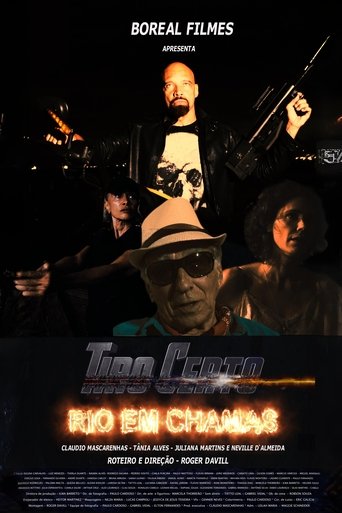
Seorang pembuat film, penulis skenario, aktor, fotografer, dan seniman multimedia asal Brasil, yang terlibat dengan seni kontemporer, instalasi, objek seni, dan pertunjukan, Neville Duarte Almeida lahir pada tahun 1941 di kota Belo Horizonte, Brasil. Dibesarkan oleh keluarga Kristen Metodis, ia belajar teater di Teater Gramedia Minas Gerais dan berpartisipasi di Pusat Studi Film setempat, di mana ia mulai bekerja sebagai pembuat film.
Beberapa film avant-gardenya yang transgresif disensor atau...
Seorang pembuat film, penulis skenario, aktor, fotografer, dan seniman multimedia asal Brasil, yang terlibat dengan seni kontemporer, instalasi, objek seni, dan pertunjukan, Neville Duarte Almeida lahir pada tahun 1941 di kota Belo Horizonte, Brasil. Dibesarkan oleh keluarga Kristen Metodis, ia belajar teater di Teater Gramedia Minas Gerais dan berpartisipasi di Pusat Studi Film setempat, di mana ia mulai bekerja sebagai pembuat film.
Beberapa film avant-gardenya yang transgresif disensor atau dilarang oleh kediktatoran militer Brasil, setelah itu ia mengarahkan film-film yang bertujuan untuk pendekatan yang lebih komersial. Filmnya tahun 1978 "Lady on the Bus", yang dibintangi Sônia Braga, menjadi juara box-office dan masih menduduki posisinya sebagai film Brasil terlaris ketiga sepanjang masa.
A Brazilian filmmaker, screenwriter, actor, photographer and multimedia artist, involved with contemporary art, installations, art objects and performances, Neville Duarte Almeida was born in 1941 in the Brazilian city of Belo Horizonte. Raised by a Methodist Christian family, he studied theater at the Scholastic Theatre of Minas Gerais and participated at the local Center of Film Studies, where he started to work as an filmmaker.
Some of his transgressive, avant-garde films were censored or banned by the Brazilian military dictatorship, after which he went on to directing films aimed to a more commercial approach. His 1978 film "Lady on the Bus", starring Sônia Braga, was a box-office champíon and still holds its place as the the third highest-grossing Brazilian film of all time.