Robert R. Parrish (lahir 4 Januari 1916, Columbus, Georgia – 4 Desember 1995, Southampton, New York) adalah seorang aktor, editor film, sutradara film, dan penulis Amerika. Ia menerima Academy Award untuk Penyuntingan Film untuk film tahun 1947, Body and Soul.
Parrish adalah putra kasir pabrik Gordon R. Parrish dan Laura R. Parrish. Pada pertengahan 1920-an, keluarganya pindah dari Georgia ke Los Angeles dan Parrish serta saudara perempuannya Beverly dan Helen mulai mendapatkan pekerjaan sebaga...
Robert R. Parrish (lahir 4 Januari 1916, Columbus, Georgia – 4 Desember 1995, Southampton, New York) adalah seorang aktor, editor film, sutradara film, dan penulis Amerika. Ia menerima Academy Award untuk Penyuntingan Film untuk film tahun 1947, Body and Soul.
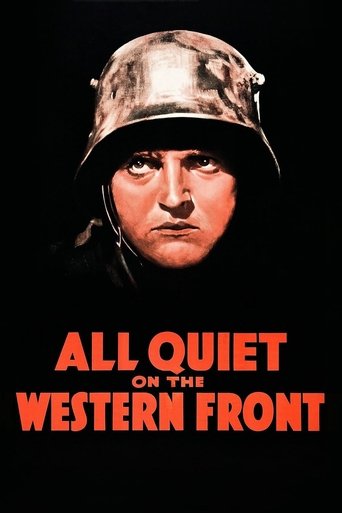
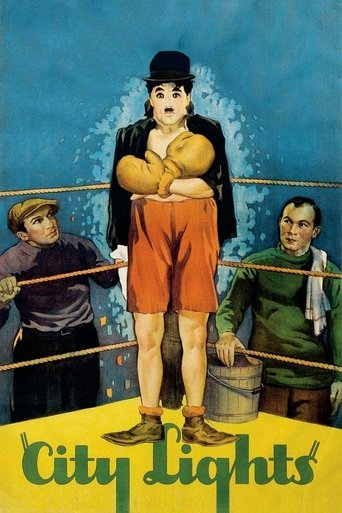
Parrish adalah putra kasir pabrik Gordon R. Parrish dan Laura R. Parrish. Pada pertengahan 1920-an, keluarganya pindah dari Georgia ke Los Angeles dan Parrish serta saudara perempuannya Beverly dan Helen mulai mendapatkan pekerjaan sebagai aktor segera setelahnya. Parrish membuat debut filmnya di Olimpiade pendek Our Gang tahun 1927. (Ibu mereka, Laura R. Parrish, juga seorang aktris dan muncul di beberapa film tahun 1940-an.) Ia muncul dalam film klasik anti-perang All Quiet on the Western Front (1930) dan City Lights karya Charles Chaplin (1931), dan di beberapa film untuk John Ford.
Ford kemudian mendaftarkannya sebagai asisten editor pada tahun 1936 Mary of Scotland, dan sebagai editor suara Tuan Muda Lincoln (1939). Parrish bekerja sebagai asisten editor dan editor suara di film Ford lainnya seperti Drums Sepanjang Mohawk (1939) dan The Grapes of Wrath (1940). Parrish dan Ford berada di Angkatan Laut Amerika Serikat selama Perang Dunia Kedua, dan mengerjakan film dokumenter dan pelatihan termasuk The Battle of Midway (1942).
Pada tahun 1947 ia memenangkan Oscar untuk debutnya sebagai editor film fitur pada drama tinju tempo tinggi Robert Rossen, Body and Soul; penghargaan itu dibagikan kepada Francis Lyon. Parrish kemudian dinominasikan untuk film Rossen lainnya – drama politik All the King’s Men (1949); dia berbagi nominasi dengan Al Clark.
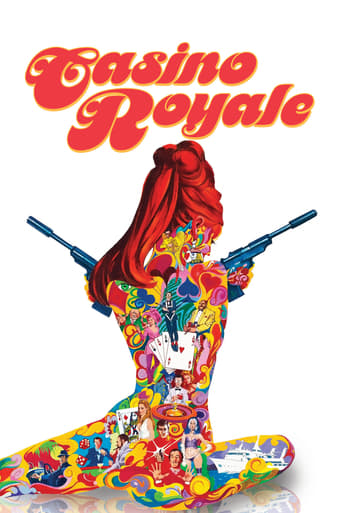
Parrish kemudian menyumbangkan bakat teknisnya ke sejumlah film yang sangat dihormati dan membuat debut penyutradaraan yang menjanjikan pada tahun 1951 dengan melodrama balas dendam yang mencekam, Cry Danger. Hasil berikutnya menemui keberhasilan yang berbeda-beda. Dataran Ungu (1954) dinominasikan untuk "Film Inggris Terbaik" di Penghargaan Film Akademi Inggris ke-8. Salah satu filmnya yang paling terkenal adalah James Bond Parody Casino Royale (1967), di mana ia menjadi salah satu dari lima sutradara film tersebut. Film terakhirnya, di mana ia berbagi kredit sutradara bersama Bertrand Tavernier, adalah Mississippi Blues (1983).
Parrish menulis dua memoar, Growing Up in Hollywood (1976) dan sekuelnya Hollywood Don't Live Here Anymore (1988). Yang pertama, Kevin Brownlow menulis, "Cerita-ceritanya tentang foto-foto ini sangat luar biasa, dan dia sering kali membahasnya secara menyamping, jadi bukan hanya bagian lucunya tetapi juga situasinya membuat Anda terkejut. Kami semua memintanya untuk menuliskannya dan pada tahun 1976 dia melakukannya, menghasilkan salah satu buku paling menawan - dan lucu - tentang bisnis gambar yang pernah ditulis. Judulnya Tumbuh di Hollywood dan harus dicetak ulang pada tahun seratus tahun ini. " Menyimpulkan karir Parrish, Allen Grant Richards menulis, "Selain karya penyuntingannya yang luar biasa dan penyutradaraan awal, Parrish mungkin paling dikenang sebagai pendongeng dari dua buku memoar Hollywood miliknya."
Robert R. Parrish (born 4 January 1916, Columbus, Georgia – 4 December 1995, Southampton, New York) was an American actor, film editor, film director, and writer. He received an Academy Award for Film Editing for the 1947 film, Body and Soul.
Parrish was the son of factory cashier Gordon R. Parrish and Laura R. Parrish. In the mid-1920s, the family moved from Georgia to Los Angeles and Parrish and his sisters Beverly and Helen began obtaining work as actors soon thereafter. Parrish made his film debut in the 1927 Our Gang short Olympic Games. (Their mother, Laura R. Parrish, was an actress as well and appeared in a few films of the 1940s.) He appeared in the anti-war classic All Quiet on the Western Front (1930) and Charles Chaplin's City Lights (1931), and in several films for John Ford.
Ford then enlisted him as an assistant editor in 1936 on Mary of Scotland, and as a sound editor on Young Mr Lincoln (1939). Parrish worked as an assistant editor and sound editor on other Ford movies as Drums Along the Mohawk (1939) and The Grapes of Wrath (1940). Parrish and Ford were in the United States Navy during the Second World War, and worked on documentary and training films including The Battle of Midway (1942).
In 1947 he won an Oscar for his debut as a feature film editor on Robert Rossen's high tempo boxing drama Body and Soul; the award was shared with Francis Lyon. Parrish was later nominated for another Rossen film – the political drama All the King’s Men (1949); he shared the nomination with Al Clark.
Parrish went on to contribute his technical talents to a host of highly regarded films and made a promising directorial debut in 1951 with the gripping revenge melodrama, Cry Danger. His subsequent output met with varying success. The Purple Plain (1954) was nominated for "Best British film" at the 8th British Academy Film Awards. One of the most notorious of his films was the James Bond Parody Casino Royale (1967), in which he was one of the film's five directors. His last film, on which he shared co-director credit with Bertrand Tavernier, was Mississippi Blues (1983).
Parrish wrote two memoirs, Growing Up in Hollywood (1976) and its sequel Hollywood Doesn't Live Here Anymore (1988). Of the first, Kevin Brownlow wrote, "His stories about these pictures were marvellous in themselves, and he often came at them sideways, so not only the punchline but the situation took you by surprise. We all entreated him to write them down and in 1976 he did so, producing one of the most enchanting - and hilarious - books about the picture business ever written. It was called Growing Up in Hollywood and it ought to be reprinted in this centenary year." Summing up Parrish's career, Allen Grant Richards wrote, "Other than his excellent editing work and early directing, Parrish may be most remembered as storyteller from his two books of Hollywood memoirs."